

As our region continues to experience pressure from population growth, housing demand, and interprovincial outmigration, it is essential that municipalities and our partners across all levels of government work together to create meaningful solutions.
In Whitby, we are taking decisive action to increase housing supply, improve affordability, and ensure that both new and long-time residents can build a strong future here. Recent examples include donating two parcels of Town-owned land to Habitat for Humanity GTA to support the construction of 40 affordable homes in our downtown and adopting new planning policies that enable greater density where it makes the most sense. This includes increasing height permissions near the Whitby GO Station, permitting four-storey buildings in areas targeted for transit connectivity, and expanding as-of-right permissions from three units per lot to four. To encourage gentle density, we are offering new financial incentives for homeowners who create additional units on existing residential lots.
Recognizing that growth must be supported by strong infrastructure, Whitby Council also endorsed reinvesting $62 million of Elexicon dividends to expand local electricity capacity— essential for new housing, employment lands, and other development.These are just a few examples of Whitby’s commitment to creating a complete, inclusive, and resilient community where people can thrive for generations to come.
Newmarket is focused on building a complete community giving residents more reasons to love their community and attracting more people and investment.
Key to this is encouraging housing options for all. Projects underway include purpose-built rental, affordable units, two- and three-bedroom units, towns, semis, and singles. This includes a Secondary Plan for approximately 1,500 units in the Shining Hill development, a Housing York building with a mix of 250 affordable and market-rent units, 14 stacked town homes that Blue Door is building as transitional units, and the Coptic Church will soon begin a 200-unit rental building with 60 affordable units.
Stimulating some of this building is incentives like development charge deferrals and waivers on rental units.
Newmarket’s recent A+ in the RESCON/Missing Middle Initiative GTA Housing Report Card demonstrates our success in encouraging much-needed missing-middle housing.
In addition to the projects underway, there are hundreds of units approved and allocated ready to be built.
Community building is, of course, more than just bricks and mortar; it’s creating spaces that bring people together. Our downtown’s mix of specialty shops, unique eateries, the region’s first boutique hotel, and a roster of award-winning events attract thousands of people year-round, making this area a potent draw for residents and visitors alike. It epitomizes how our focus on placemaking is building great communities that stay together and attract new investment.

The Greater Golden Horseshoe continues to be the economic engine of Canada, but pressures of housing affordability and availability are shaping how residents choose to build their lives. The Regional Municipality of York is committed to addressing these pressures head-on through our integrated approach to growth, infrastructure and community building.
York Region is one of the fastest-growing communities in Ontario. With nearly 1.3 million residents, we are planning for more than two million people and one million jobs by 2051. While other regions are experiencing significant outmigration, recent community opinion research shows fewer than 14% of York Region residents are considering leaving due to affordability. This underscores the importance of maintaining the quality of life that keeps people rooted here.
To support continued growth, we are accelerating work across three key areas: increasing housing supply, improving affordability and supporting complete, connected communities.
Through York Region’s 10-year capital plan, we are advancing approximately $14 billion in major infrastructure investments that unlock new housing, including water and wastewater expansions, transit improvements and strategic road projects that make development possible and keep people and goods moving. At the same time, we continue to work closely with local municipalities to enable a full mix of housing types that range from purpose-built rentals, missing-middle options, gentle density and transit-oriented development along key corridors.
York Region is advocating for stronger partnerships among all orders of government to ensure growth is financially sustainable. This includes predictable infrastructure funding, supportive planning tools and policies that align jobs, housing and mobility.
While affordability remains a challenge across the Greater Golden Horseshoe, York Region is focused on solutions that give both new and longstanding residents opportunities to stay, grow and build a future here.
In the face of global economic uncertainty, our government is taking bold action to get shovels in the ground and keep workers on the job building the housing and infrastructure we need.
Through both the Fighting Delays, Building Faster Act and Building Faster and Smarter Act, we are reducing the burden of development charges, streamlining building standards, and eliminating needless red tape that stalls development. We know that the current system isn’t working, and we are delivering change.
To support homebuilding, we continue to make historic investments in housing enabling infrastructure like sidewalks and water access through programs like our $4 billion Municipal Housing Infrastructure Program. Additionally, our government has approved greater density and height increases near 120 transit stations across the GTA that will make it possible to build 1.5 million more homes throughout the city.
As a complement to this work, we are creating the conditions for prospective homebuyers to sign on the dotted line by rebating the provincial portion of the HST – saving them up to $80,000.
Owning a home is still the quintessential dream for countless hardworking Ontario residents and families, and realtors bring these dreams to life. Together, let’s Protect Ontario as a wonderful place to live, work, and play.

As we look to the future, prioritizing housing supply and diversity remains paramount. Encouraging the development of missing-middle housing—such as townhomes, duplexes, and low-rise multi-unit buildings—is critical to delivering a range of attainable options for families. Purpose-built rentals also play a vital role in ensuring everyone has access to a place they can call home.

At TRREB, we believe the solution starts with collaboration. Traffic congestion and affordability are interconnected challenges that require integrated approaches. The current system of high development charges, taxes, and administrative hurdles only exacerbates the issues. This stalls progress on building the housing supply we need to support our growing communities.
The population of Halton Region’s local municipalities of the City of Burlington and Towns of Oakville, Milton and Halton Hills is forecasted to grow by at least 1.1 million people and 500,000 jobs by 2051. Halton Region is currently completing an Integrated Water, Wastewater and Transportation Master Plan to support a resilient and adaptable transportation system that supports continued growth and travel demand.
Widening of most Regional roads to six lanes will be completed within the next decade and the Master Plan provides an opportunity to optimize the Regional Road network to support a multi-modal transportation system that provides safe and continuous access for all modes of travel, including transit and active transportation. Network improvements will enhance connections both within Halton Region and within the broader provincial network for all users and all abilities.
Brampton is the fastest-growing big city in Canada and the most diverse. We are responding with an ambitious, practical housing agenda that focuses on supply, affordability, and opportunity.
First, we have taken decisive steps to accelerate new housing. Brampton approved more building permits in 2024 and 2025 than at any point in our history, supported by streamlined approvals, expanded as-of-right zoning, and the elimination of barriers that slow construction. We are opening the door to a wider mix of housing types — including gentle density and missing-middle options — so families, newcomers, seniors, and young professionals can find homes that meet their needs.
Second, we are investing in the infrastructure that makes growth sustainable. Record investments in transit, recreation, utilities, and complete communities ensure that new housing comes with the services residents expect.
Finally, we are working closely with industry partners, other municipalities across the GTHA, and both senior levels of government to secure the funding and policy tools required to keep up with unprecedented population growth. Reversing outmigration and restoring affordability will require shared solutions, and Brampton is committed to doing its part.
Our goal is simple: to make sure that every resident can build their future in this region.

I am a big believer in embracing innovative solutions to address affordability to get more housing built.
In Mississauga we convened a Housing Task Force which included 32 local developers. Our consensus: reduce development charges by 50%. We reduced those charges on January 23, 2025. We are progressing by reducing those development charges, simplifying neighbourhood zoning, and funding affordable rental projects. Mississauga is also deferring collection of residential development charges – to occupancy – for permits pulled prior to November 13, 2026. This is a positive move for us.
We have been very successful in increasing applications being processed from 2,557 in 2024 to over 11,600 this year. A second reduction in DC revenue has been added. The Region of Peel also reduced their charges 50%. This has led to a marked increase in purpose-built rental units, where 3-bedroom family units pay zero in DCs.
We have also sparked an expansion in rental applications by reducing property taxes by 35% for multi-unit rentals. Our bold steps in 2025 focused on increasing housing supply and making it easier to build mixed-use communities around transit. We intend to continue momentum into 2026. We are committed to change. We can make housing more affordable.
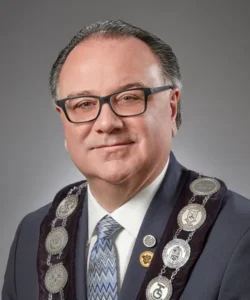
Peel Region is taking decisive action to make staying and building a future here possible for everyone. As one of Canada’s fastest-growing regions, we are tackling the pressures of population growth and outmigration by investing strategically in housing, infrastructure, and opportunity.
As the Service Manager for Peel’s housing system, we are building the foundation for long-term affordability and stability. In 2024, nearly 47,000 households accessed housing and supports — a 38 per cent increase over the previous year. More than 4,000 households now receive regional or provincial rent supports through portable subsidies, giving residents flexibility to stay close to family, work, and community. Our End-of-Mortgage strategy is helping community housing providers remain strong, protect affordability, and renew their assets for the future. Since 2018, Peel and its partners have created 966 new affordable, supportive, and emergency units, with another 1,290 underway, supported by $380 million already invested and a further $1.5 billion proposed between 2026 and 2035 to expand deeply affordable and supportive housing.
Through integrated planning that links housing with health, human services, and infrastructure, Peel is creating complete, resilient communities and leading regional efforts to reverse out-migration, improve affordability, and give residents real reasons to build their future here.
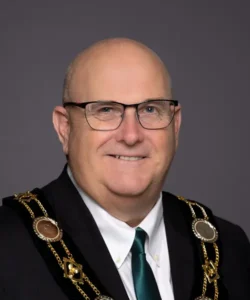
This year, Pickering proudly celebrated its 25th anniversary as a city, a milestone that reflects our incredible journey from a quiet township to one of Ontario’s most dynamic and desirable communities. It’s a place where people choose to live, invest, and build their futures.
While the broader real estate market faces uncertainties, Pickering continues to lead in responsible and sustainable growth. With our population projected to exceed 150,000 by 2036, we are taking bold, yet strategic measures to accommodate this growth while fostering economic development and sustainability.
In 2024, we exceeded our provincial housing target by 174%, breaking ground on more than 1,880 new homes, and we’re on track to surpass expectations again in 2025. The province’s $5.2 million investment through the Building Faster Fund highlights our strong partnership and commitment to getting shovels in the ground.
Our transformation is evident in the City Centre redevelopment, which will bring new housing, retail, and City Centre Park, a vibrant gathering place for the community. We’re also advancing the Kingston Road Corridor for higher-density housing and mixed-use development in transit-connected areas, and expanding the Seaton community, set to welcome 70,000 residents and 35,000 jobs while preserving green spaces.
Economic strength drives confidence in our market. The province’s historic $26.8 billion refurbishment of the Pickering Nuclear Generating Station will create nearly 37,000 well-paying jobs, fueling housing demand and supporting long-term market resilience. Add to this nearly 40 new business openings annually and strategic infrastructure investments, and it’s clear: Pickering is positioned for sustained growth.
But Pickering’s appeal goes beyond growth. With world-class attractions like the Porsche Experience Centre, gaming and live entertainment at Pickering Casino Resort, our shimmering waterfront, emerging downtown, and diverse housing options, it’s no surprise The Globe and Mail has named Pickering one of Canada’s best places to live for two consecutive years.
For real estate professionals, 2026 brings opportunity. As one of the GTA’s most promising markets, Pickering gives you the confidence to guide buyers toward a future full of opportunity where anyone can live, invest, and thrive.
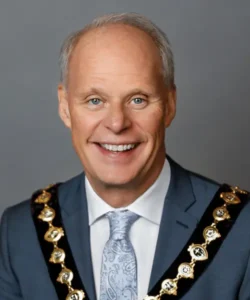
The City of Oshawa is taking action to enable record-breaking development across the community with efficient, responsive, and customer-oriented processes.
We’ve doubled our allowances for density in Downtown Oshawa and tripled it along future rapid transit corridors. New regulations along the Lakeshore East GO Train extension will permit dynamic mixed-use communities with building heights of up to 30 storeys in some areas and unlimited height in others. Oshawa is a leader in implementing regulations enabling additional dwelling units with nearly 1,000 applications in recent years.
We continue to offer zero city development charges on all development in our downtown core as well as zero city development charges on all industrial development. Our community improvement plans continue to incentivize redevelopment as we introduce new enhancements to maximize their effectiveness. We continue to work closely with the Region of Durham to redevelop lands for new affordable and market housing. This includes approximately 1,000 units across 4 different sites in Oshawa.
Oshawa’s new Housing Dashboard is providing the public with monthly data regarding permits issued by the City for new housing units and our progress towards achieving a Provincial target of 23,000 new housing units in Oshawa by 2031.
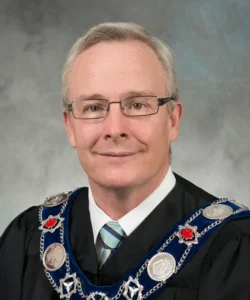
Durham continues to be an attractive place to develop, work, live and invest. We are delivering the infrastructure to support growth, so that land is available across the housing market. We’re also doing our part by investing and partnering in new affordable housing.
The Region will have an estimated 1.3 million residents and 460,000 jobs by 2051, with new communities in northeast Pickering, west Brooklin and north Oshawa. The GO Lakeshore East Extension will spur an estimated 17,000 new housing units and 11,000 new jobs in Central Oshawa, Courtice and Bowmanville. Major infrastructure and housing projects are underway in Seaton (Pickering), which will be home to more than 60,000 residents and 31,000 jobs.
The Region’s 10-year Housing Financing Strategy targets creating more than 2,300 new affordable units through direct Regional investment and development partnerships. Our At Home Incentive Program commits more than $30 million to help private and non-profit developers build 350 new affordable units across the region. We’re also redeveloping and adding new modern units to our existing Housing Durham sites.
By working with partners, using our own land and enabling new development, we’re supporting affordability, sustainability and choice—creating communities where people want to stay, grow and thrive.

Vaughan is one of the fastest-growing cities in Canada. At the City of Vaughan, we aim to build a community that accommodates this growth, while working to ensure young people can afford to live in the city in which they grew up.
Vaughan remains York Region’s largest economy and one of the busiest markets in the Greater Toronto Area. We issued nearly 2,300 building permits totaling $1.89 billion in construction value in 2024. This led to Vaughan ranking third overall in Canada by both the number and value of industrial building permits.
To keep this momentum going, we have cut development charges by almost 50% to help make housing more affordable for young families and have maintained one of the lowest tax rates in York Region. We also provide resources for residents and business owners to grow and thrive. Our Investment Concierge Program helps streamline development approvals for investments and our new Community and Economic Development Fund will invest $43 million over five years to attract more complete community amenities, event and office spaces and more.
We are building a world-class city that residents can be proud to live in and where businesses can continue to succeed. TRREB directly contributes to this goal. You offer trusted guidance to families as they navigate one of life’s most important decisions: finding a place to call home.
Thank you for your continued support of our community and for your ongoing partnership in helping families choose Vaughan as their home. I look forward to what we will continue to achieve together.

Richmond Hill is facing unprecedented times, like many communities across the province and we are striving to meet these challenges head-on while taking steps to build a stronger, more resilient future for our city.
Finding Affordable Housing in the GTHA remains a crisis. Richmond Hill is doing everything we can to make progress on this issue, and this year, over $1 billion dollars’ worth of building permits were issued by the end of July, representing approximately 1273 building projects, putting the city on pace to exceed last year’s total permits.
Through the Federal Housing Accelerator Fund we have made planning and zoning changes for a number of our key development areas and we’ve also made it easier for residents to build garden suites and basement apartments to increase the housing supply. Richmond Hill has implemented a financial incentive plan for developers and non-profits to build more affordable homes and an affordable housing concierge program has been created to provide a streamlined process and single point-of-contact to speed up these high-priority applications.
In Richmond Hill, unlocking the development potential in the Richmond Hill Centre and the arrival of the subway at Hwy 7 and Yonge Street will be a game-changer for our city. It will make our community more accessible, attract new businesses and residents, and open the door to smart, sustainable transit-oriented development. With this important transit connection, Richmond Hill will be better positioned to continue to grow as a thriving hub for jobs, housing, and investment.
We remain focused on building a livable, sustainable community with a greater range of housing options and a well-connected, accessible, transportation system to ensure people can live and work comfortably in our great city.

Barrie continues to evolve as one of Ontario’s most dynamic and fast-growing cities, but with growth comes challenges that we cannot ignore. Affordability, housing supply, and infrastructure improvements remain top priorities for Council. We’re tackling these priorities head-on, recognizing their impact on the quality of life for our residents and the future of our community.
Our housing strategy is key to addressing the challenges surrounding housing supply. With a target of 23,000 new homes by 2031, we’ve already approved over 17,000 units and secured $32 million in federal and provincial funding to accelerate progress. While 2024 has seen a slower pace in housing construction, promising projects like the Coral Sophia Lane Housing development—which will add 45 affordable units—and the Schlegel Villages Development, bringing long-term care beds, retirement and assisted living facilities, as well as 360 residential apartments for seniors, represent major milestones for Barrie. These initiatives are crucial for meeting the needs of our diverse and growing population.
As part of Council’s commitment to further address the housing shortage, we have identified the following City-owned properties as surplus for residential housing development:
The sale of these properties will give us more land for residential development in areas of town where intensification can be supported. It will generate funding to support important city projects to support our growing population.
Through the newly implemented Affordable Housing Strategy and Community Improvement Plan (CIP), we are fast-tracking residential construction with incentives aimed at increasing the supply of affordable rental and ownership options.
At the same time, we’re investing in infrastructure to support this growth. Addressing traffic congestion is essential, and we are enhancing our road networks and expanding public transportation to ensure that new developments are well-integrated and reduce commuting times.
By working together with all stakeholders, we can ensure Barrie remains a thriving city for our residents.

The County of Simcoe is experiencing immense growth, creating a vibrant and dynamic region full of opportunities. Our expanding population brings fresh energy, diverse talents, and new possibilities to all our communities.
At the heart of our success is our commitment to our residents. Simcoe County is leading the way in affordable housing initiatives, surpassing our goals set out in our 10-year Affordable Housing and Homeless Prevent Strategy that launched in 2014, one year ahead of schedule.
Our innovative LINX public transit service is revolutionizing connectivity, bringing our communities closer together than ever before. We’re building up roads, bridges and key infrastructure in Simcoe County and our tourism sector continues to support our growing local economy.
One of our region’s key economic assets is the Lake Simcoe Regional Airport. Owned and managed by the County of Simcoe, the airport is a commercial port of entry for both passenger and freight, offers a growing business park and will be expanding its runway to support future growth.
Simcoe County’s proactive approach to growth management ensures we’re not just expanding but thriving as well.
With these and many more initiatives, we’re pleased to continue Building Up Simcoe County.

By providing municipalities with a new set of land-use planning rules, the Ontario government is empowering municipalities with the tools and flexibility to hit their housing targets in a way that is responsive to local challenges and reflective of local priorities. Through the new Provincial Planning Statement the province will help support growth by reducing and streamlining planning rules, simplifying approvals to build homes and eliminating duplication.
These targets for building new housing are also supported by the Building Faster Fund which rewards municipalities that make significant progress against their targets by providing funding for housing-enabling and community-enabling infrastructure. Funding is provided to municipalities that have reached at least 80 per cent of their provincially assigned housing target for the year with increased funding for municipalities that exceed their target.
The government is also seeking to reduce gridlock and allow more freedom of choice for those who live in Simcoe County and other Greater Golden Horseshoe regions by building the Bradford Bypass and Highway 413. The province is also investing in local transit improvements through the Gas Tax Program, with the City of Barrie Transit receiving over $4.7 million in funding since 2022. With over 100 immediate or near-term actions for this rapidly-growing region, the government is laying the groundwork that will improve people’s access to good-paying jobs, housing healthcare, education and family and friends.

Toronto is Canada’s economic engine, but we cannot sustain that strength if people can no longer afford to live here. Today, too many working residents are being priced out of their own communities.
We are taking necessary, practical steps to make life more affordable. We have introduced the most ambitious housing plan in our city’s history: opening up more neighbourhoods to gentle density, accelerating approvals, and unlocking public land for new rental and ownership options. We are scaling up partnerships across the sector to deliver housing that working people can actually afford. At the same time, we are investing in transit, community services, and public infrastructure to support growth and ensure the amenities that make a city livable.
TRREB’s advocacy for building new homes, of all sizes, is an essential voice in this work.
Together, we can make Toronto a place where newcomers and long-time residents alike will put down roots, find opportunity, and build a future with confidence. A caring city where everyone belongs.

Ontario is taking a bold, new, innovative approach to city building in response to calls from our municipal partners and stakeholders for more housing and less traffic congestion. As the Minister of Infrastructure, I am leading the Transit-Oriented Communities (TOC) Program, a smart, forward-thinking plan to build vibrant, mixed-use communities that will bring more housing and jobs closer to transit.
The province is bringing faster, more reliable, and seamless transit to the Greater Golden Horseshoe by expanding the GO Transit network and delivering four new priority subway projects — the largest subway expansion in Canadian history. Work is underway to deliver TOCs at 12 future stations along the province’s new Ontario Line, Yonge North Subway Extension, and Scarborough Subway Extension. Once completed, these TOCs will create approximately 79,000 new jobs and approximately 54,000 new residential units, including affordable housing, at or within a short distance of transit stations. We also continue to advance five new TOC sites along GO Transit and light rail transit lines to increase the housing supply, reduce traffic congestion and improve the quality of life in Ontario.
Since 2018, our government has sold 135 government buildings and properties, many of which support provincial priorities such as attainable housing and other social infrastructure.
Ontario continues to act, together with our partners, to meet our goal of building at least 1.5 million homes by 2031.

Video was shared and recorded prior to the election announcement

Since coming to office in 2018, our government has been focused on laying the groundwork for an economic and building boom to support the unprecedented population growth we have seen.
This includes finding ways to build smarter. Through our new Provincial Planning Statement, we are encouraging the building of more homes in areas close to major transit stations, including subway, GO, light rail, and rapid transit bus stations. We want more people living close to public transit to make the best use of our government’s historic investments in transit and reduce the gridlock on our roads.
We have also made changes to allow homebuyers and homebuilders to decide on the number of parking spaces for new residential developments based on market needs in areas near most major transit stations. In some municipalities, this could save up to $50 million for a 500-unit development, making it cheaper to build and purchase new homes near transit.
Our government is cutting red tape and giving our partners the tools and flexibility they need to get more homes built faster where they are needed most.
We look forward to continuing to work with TREBB in the coming year.


