2026 Market Outlook & Year in Review
THE PRESSURE
POINT
Housing Supply, Migration, &
the Missing Middle

2026 Market Outlook
Watch these short videos and hear where the GTA housing market is headed in 2026 from TRREB’s Chief Information Officer Jason Mercer.
Access the presentation slides and watch the recap video of TRREB’s 2026 Market Outlook and Year in Review event.
2025 Year in Review
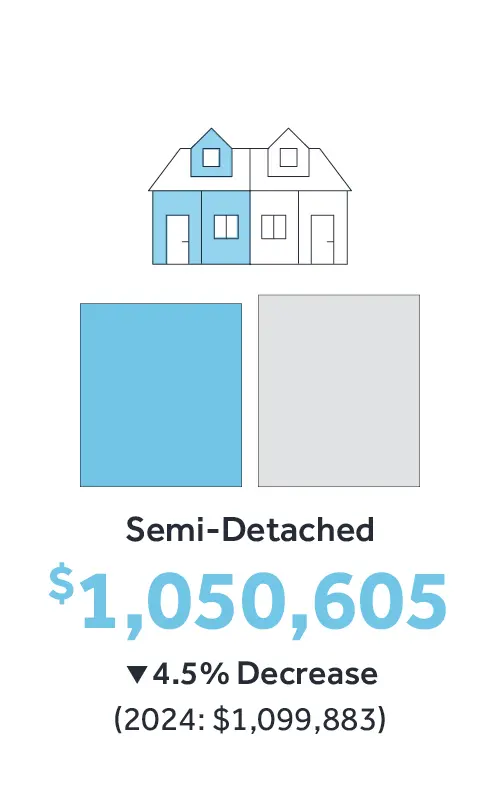
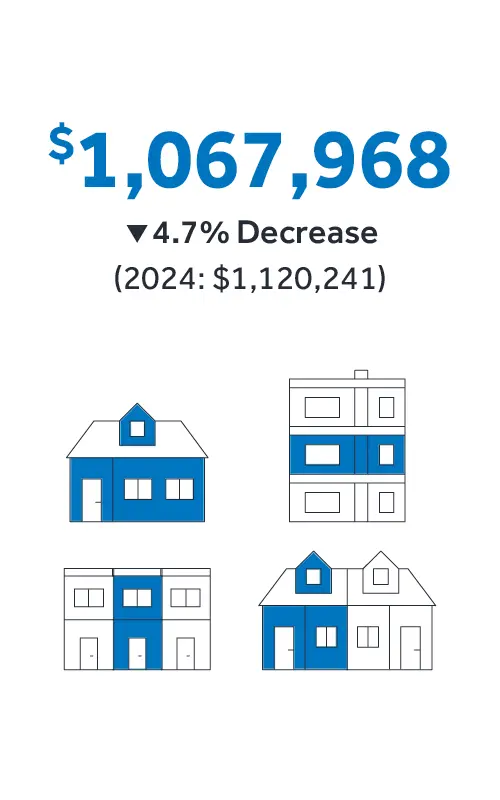
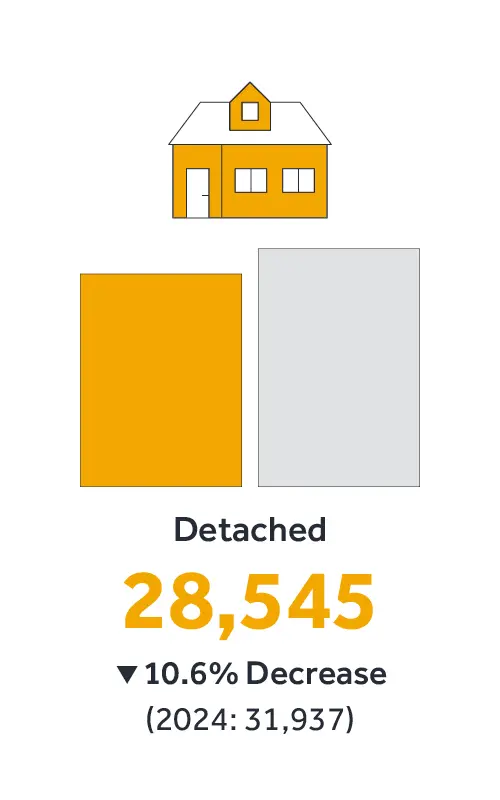
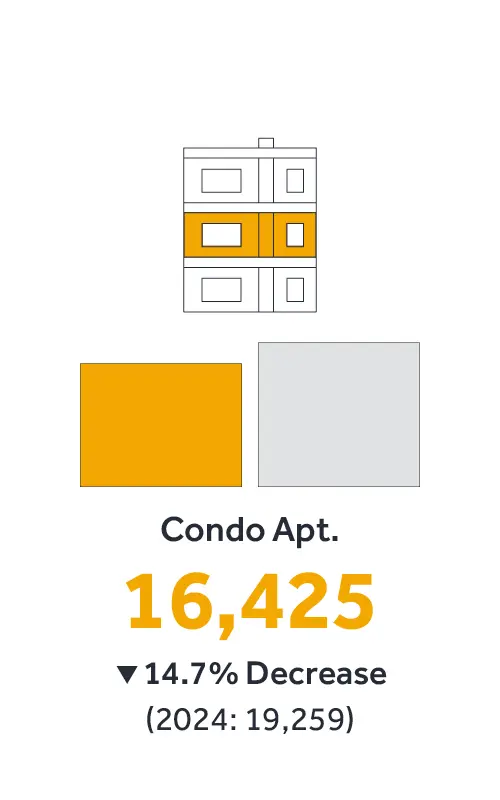
Get a glimpse of total home sales, new listings, and average prices for 2025.
Average Price by Home Type
2025
2024
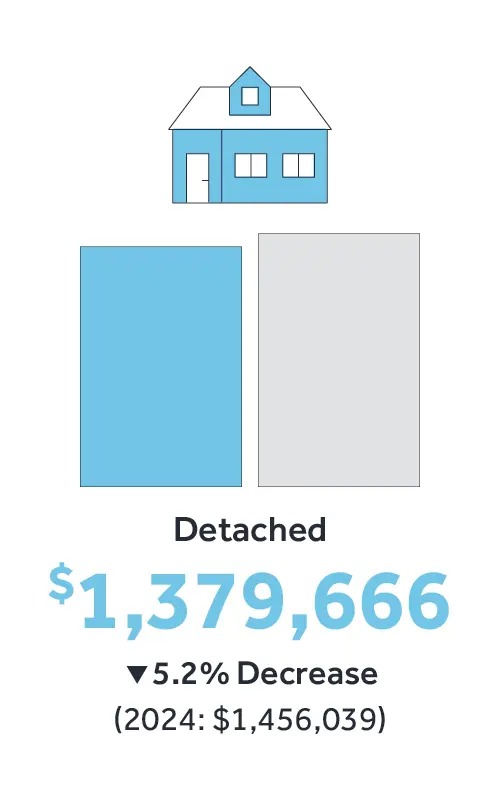
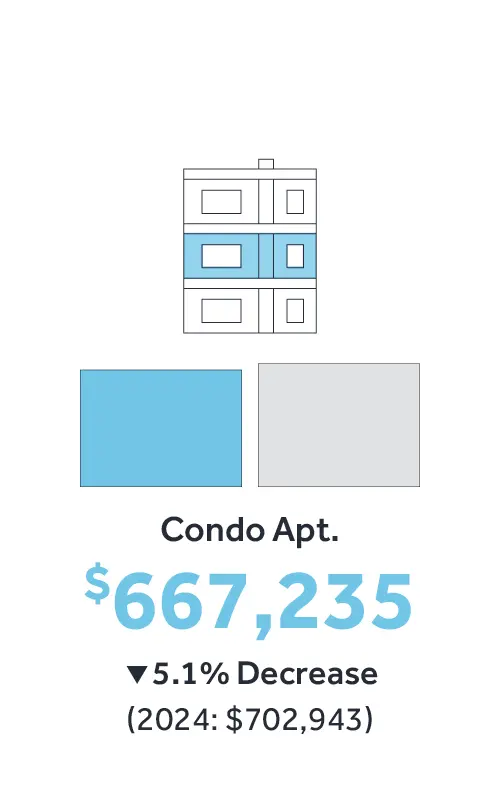
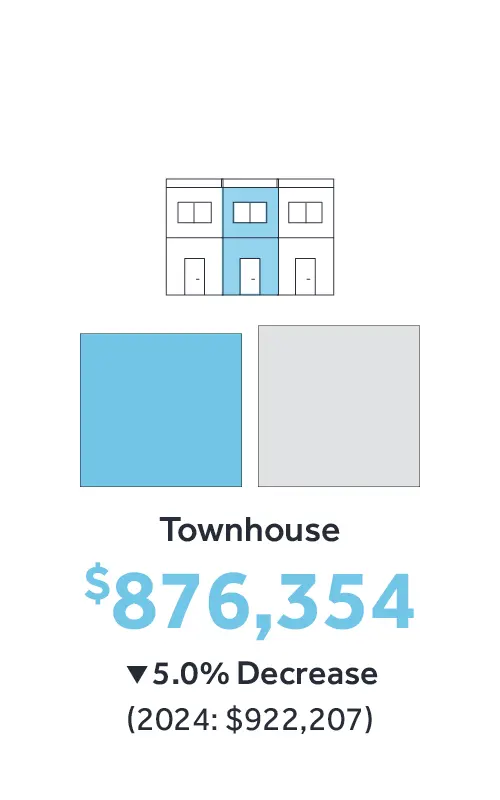
Average Price for All Home Types
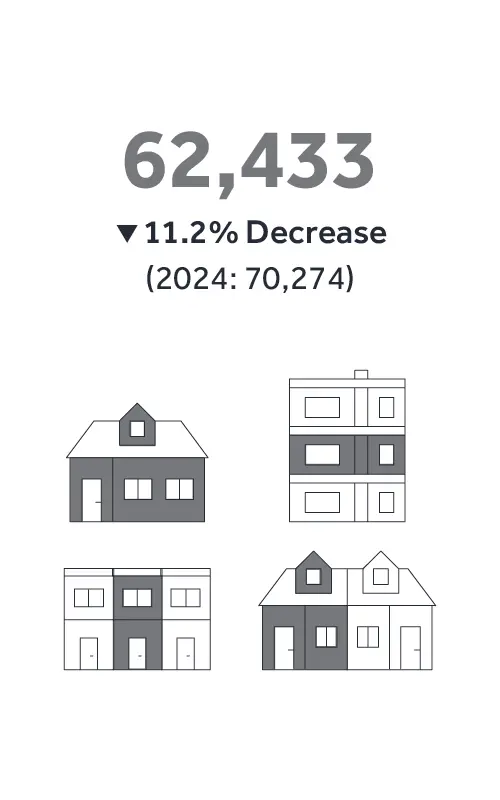
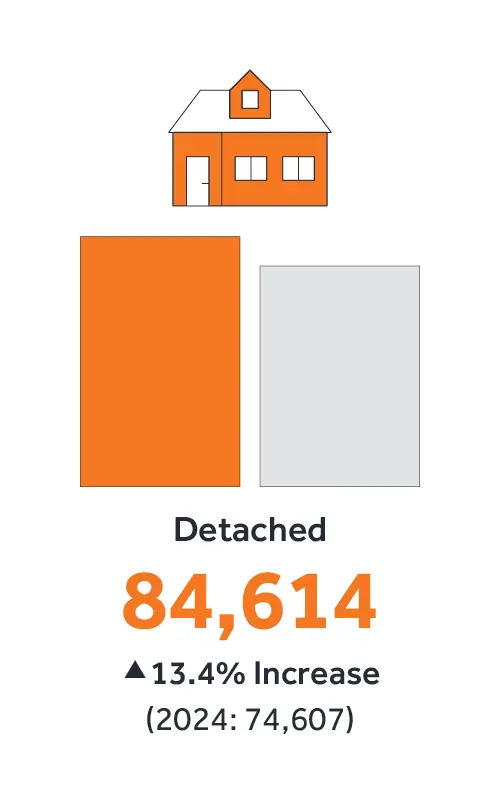
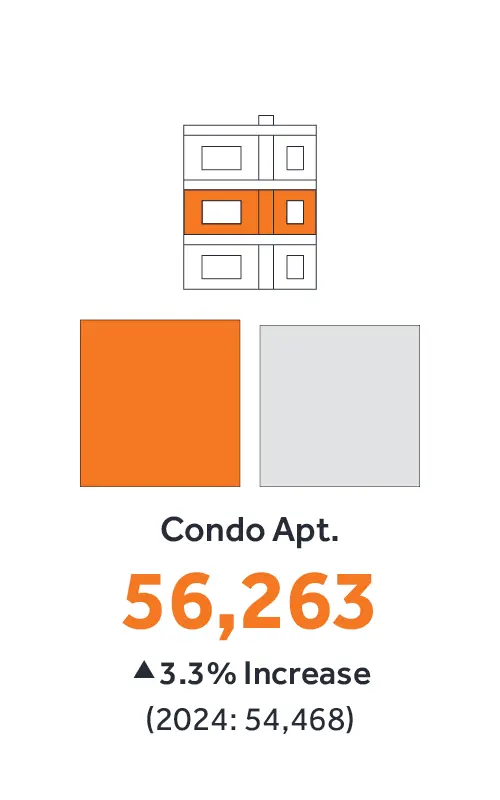
Sales by Home Type
2025
2024
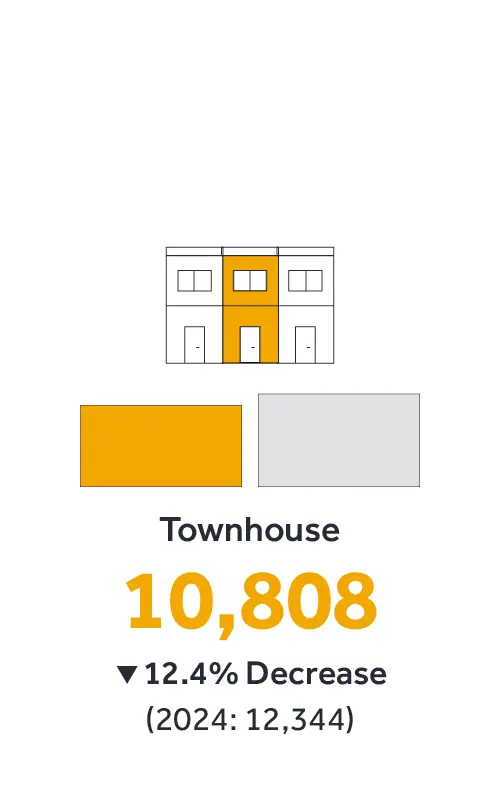
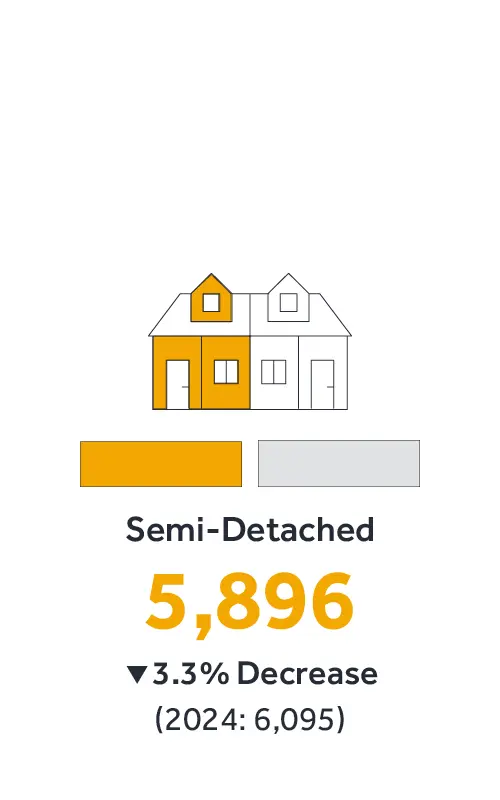
Total Sales for All Home Types
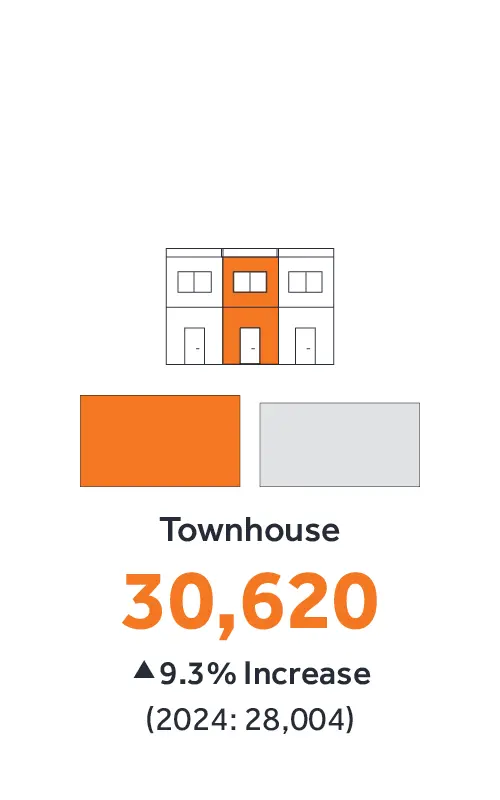
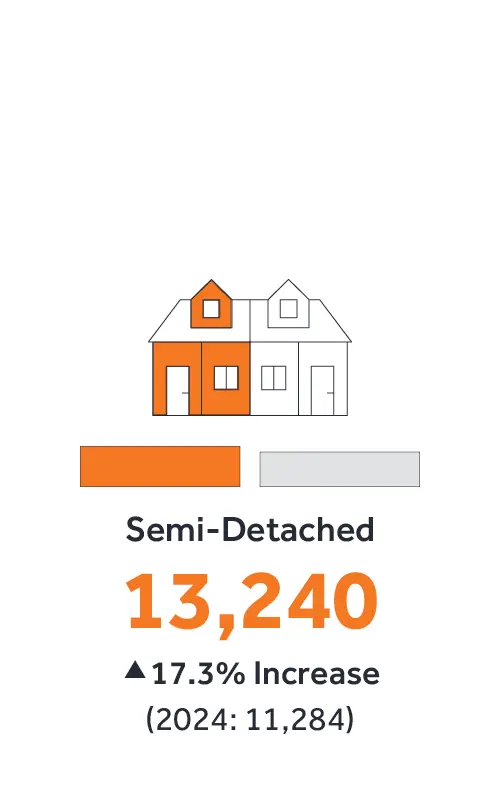
New Listings by Home Type
2025
2024
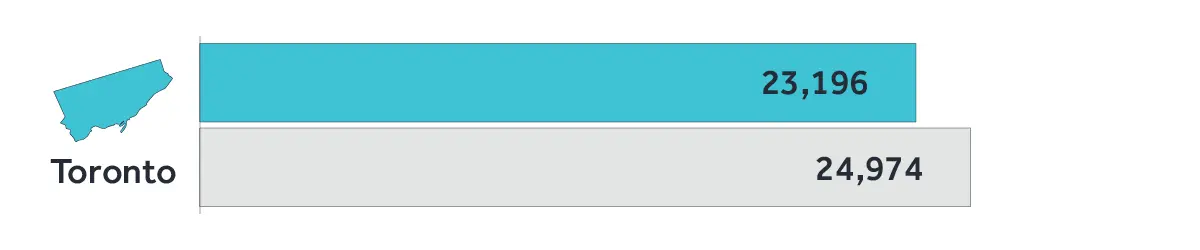
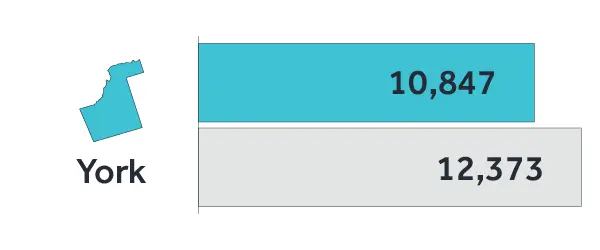
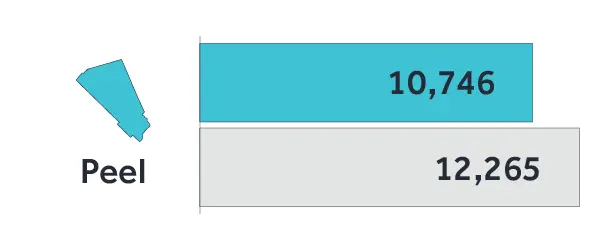
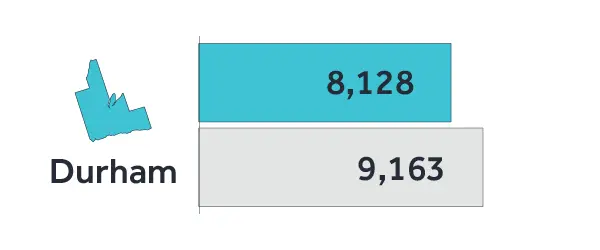
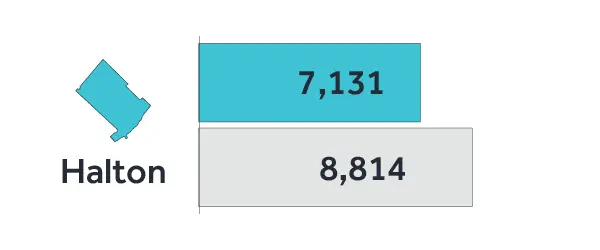
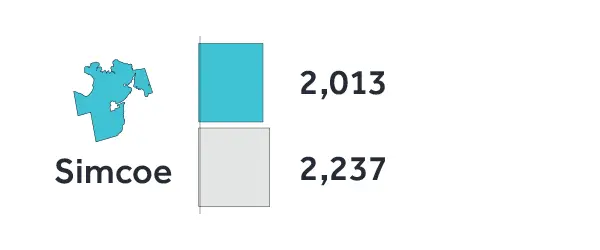
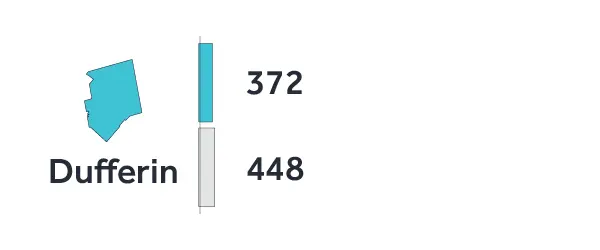
Sales by GTA Regions
2025
2024
Market Outlook and Consumer Intentions
Discover five things you need to know about what’s next for the housing market in 2026.
Plus, find new insights from TRREB’s latest buying and selling intentions survey conducted by Ipsos.
60K-70K
projected number of home sales.
$1M-$1.03M
average price forecast range for homes in the GTA.
22%
of survey respondents said they intend to buy a home in 2026.
45%
of intending buyers said they will be first-time buyers.
$589
gap between affordable monthly mortgage payments and the mortgage required to purchase an ideal home.
Remarks from Ontario Government Leaders
What Policymakers Are Telling TRREB
Click on each headshot to read solutions for housing affordability and supply issues.

Olivia Chow
Mayor, City of Toronto

Hon. Rob Flack
Minister of Municipal Affairs and Housing

Eric Jolliffe
York Region Chairman and CEO

John Henry
Chair, Region of Durham

David West
Mayor, City of Richmond Hill

John Taylor
Mayor, Town of Newmarket

Steven Del Duca
Mayor, City of Vaughan

Elizabeth Roy
Mayor, Town of Whitby

Kevin Ashe
Mayor, City of Pickering

Dan Carter
Mayor, City of Oshawa

Nando Iannicca
Chair, Region of Peel

Carolyn Parrish
Mayor, City of Mississauga

Patrick Brown
Mayor, City of Brampton
Addressing Outmigration Trends and Solutions
People are leaving the Greater Toronto Area at an accelerating pace as housing affordability challenges, rising taxes, congestion, and shifting work patterns reshape where Ontarians choose to live. These pressures make it increasingly difficult for young families and working-age residents to remain in the region.
This report, prepared by Loyalist Public Affairs for the Toronto Regional Real Estate Board (TRREB), examines the key economic, housing, and quality-of-life factors contributing to outmigration from the GTA and outlines policy-focused solutions to support affordability, retain talent, and strengthen the region’s long-term competitiveness.
Housing Affordability Pressures
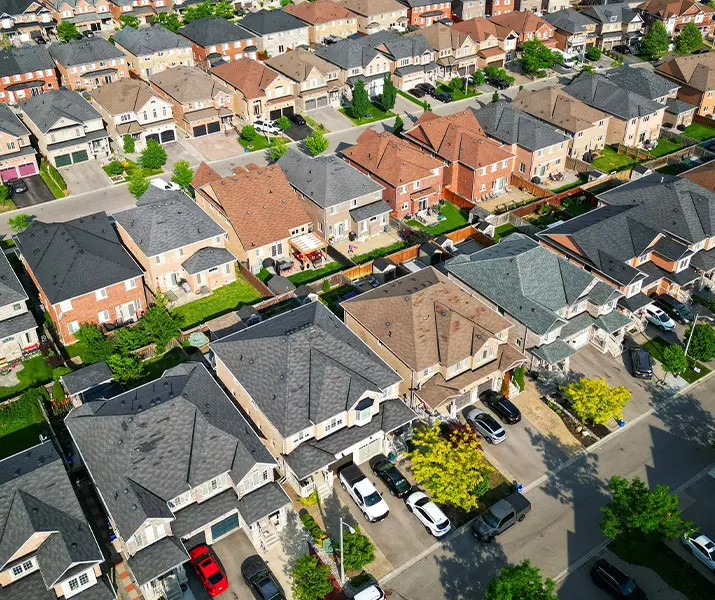
Housing affordability remains the most significant driver of outmigration from the GTA. With average home prices exceeding $1 million, households face ownership costs that far outpace income growth. High property taxes, land transfer taxes, and development charges add substantially to the cost of buying a home, making both ownership and rental housing unattainable for many residents and encouraging relocation to lower-cost regions.
High Taxes and Fees Increase the Cost of Living
Layered taxation significantly raises the cost of living in the GTA. Homebuyers in Toronto face both provincial and municipal land transfer taxes, while homeowners carry some of the highest property tax burdens among major Canadian cities. Combined with income taxes and sales taxes, these costs create one of the highest effective costs of homeownership in Canada, reinforcing incentives to move to jurisdictions with lower tax burdens.
Development Charges Limit Housing Supply
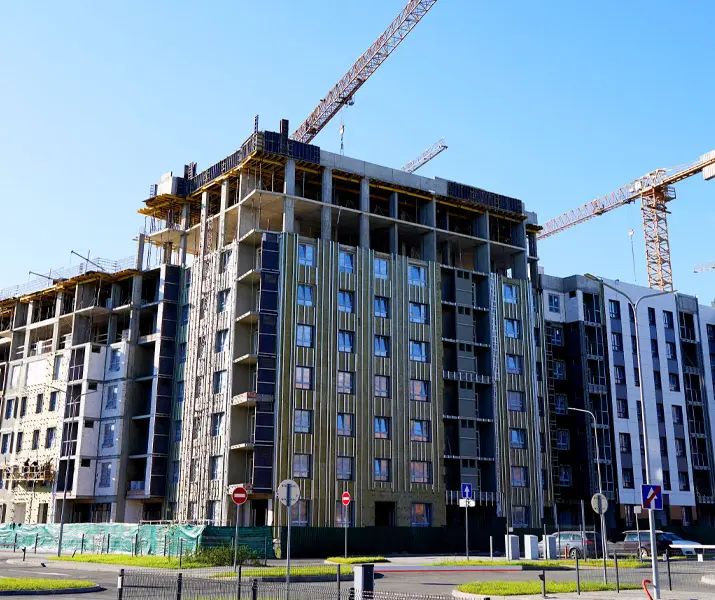
Rising development charges continue to constrain housing supply and affordability across the GTA. Fees on new low-rise homes now exceed $120,000 per unit, while high-rise units face charges approaching $70,000. These costs increase the price of new housing and reduce the viability of building more affordable options, pushing both builders and buyers toward regions with lower and more predictable development costs.
Congestion and Infrastructure Strain Reduce Quality of Life
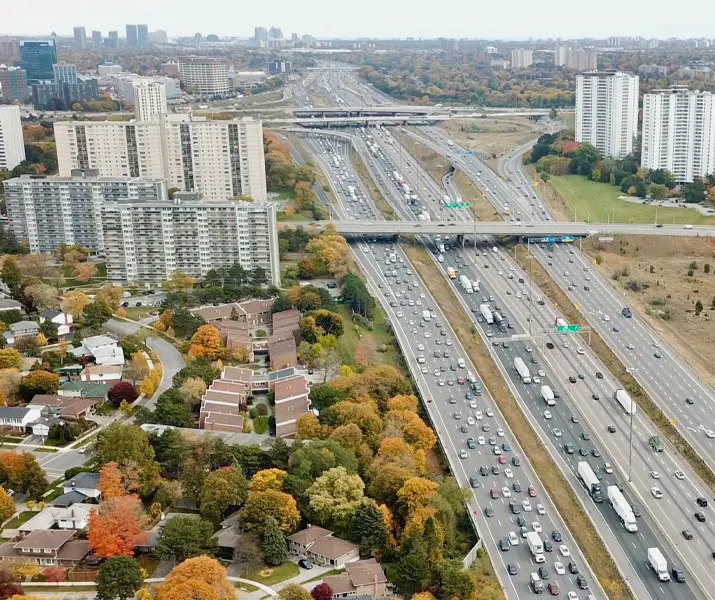
Traffic congestion and infrastructure pressures have become major quality-of-life concerns for GTA residents. Drivers lose an estimated 118 hours annually to congestion, translating into billions of dollars in economic and social costs. Long and unpredictable commutes increase stress, limit mobility, and reduce time spent with family, leading many households to seek communities with shorter travel times and more reliable infrastructure.
Remote Work Enables Relocation
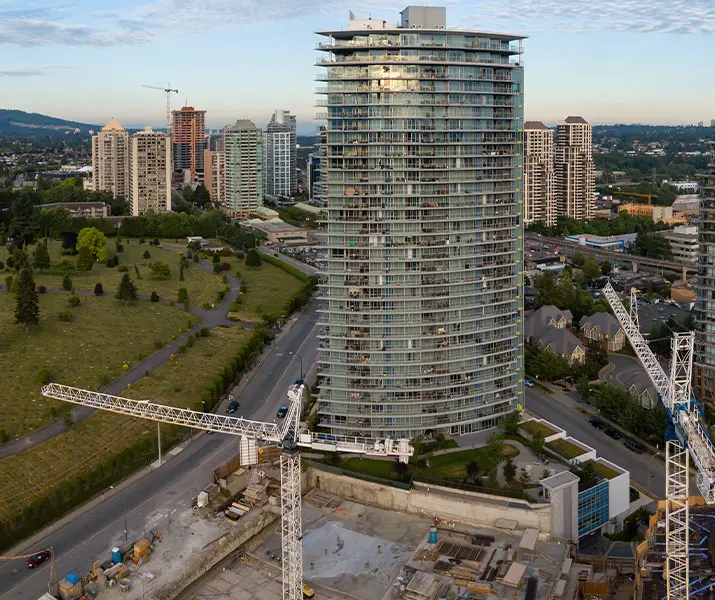
The rise of remote and hybrid work has expanded relocation options for many GTA residents. Nearly one-third of workers in the Toronto region now work fully or partially from home, allowing households to move to more affordable communities without changing jobs. Younger Ontarians, in particular, cite housing affordability and work flexibility as primary reasons for planning to leave the GTA within the next five years.

Interpreting Price Signals from Toronto’s Multiplex Zoning Reform
Toronto introduced citywide multiplex zoning in May 2023 to allow two- to four-unit homes as-of-right across most low-rise neighbourhoods. The policy aimed to support gentle density, reduce regulatory barriers, and expand housing supply within existing communities.
This report, developed in partnership with Toronto Regional Real Estate Board (TRREB) and researchers from the Massachusetts Institute of Technology (MIT) Centre for Real Estate (CRE), examines whether the zoning change influenced freehold land prices in Toronto. Using TRREB transaction data from 2018 to 2025, the analysis explores how the market responded to expanded redevelopment permissions.
Multiplex Zoning Introduced New Redevelopment Flexibility
The May 2023 zoning reform allowed two- to four-unit residential buildings as-of-right across most low-rise areas of Toronto. By expanding the range of permitted housing forms, the policy increased redevelopment flexibility on existing residential lots and aimed to encourage incremental housing supply without large-scale neighbourhood change.
Larger Lots Showed Modest Price Increases After the Reform
Lots more likely to accommodate multiplex redevelopment experienced a small relative price increase following the zoning change. Prices for larger lots rose by approximately 1–2 per cent compared to smaller lots in the post-reform period, suggesting a modest market response to the expanded permissions.

Market Expectations Began Shifting Before the Policy Took Effect
Price differences between larger and smaller lots began widening prior to May 2023, particularly during 2021 and 2022. This pattern suggests that buyers may have anticipated the zoning reform and gradually priced in redevelopment potential before the formal bylaw change took effect.
Zoning Changes Alone Do Not Guarantee Redevelopment
While multiplex permissions increase the potential use of a property, actual redevelopment depends on many factors. Construction costs, financing conditions, design constraints, servicing requirements, and permitting timelines all influence whether redevelopment is feasible, limiting the immediate impact of zoning changes on market outcomes.
Pricing Signals Remain Modest Relative to Broader Market Forces
The estimated price effects associated with multiplex zoning remain small compared to overall market volatility driven by interest rates, inflation, and housing demand. The findings suggest that zoning reform can influence land values, but broader economic conditions and implementation realities play a larger role in shaping housing outcomes.